
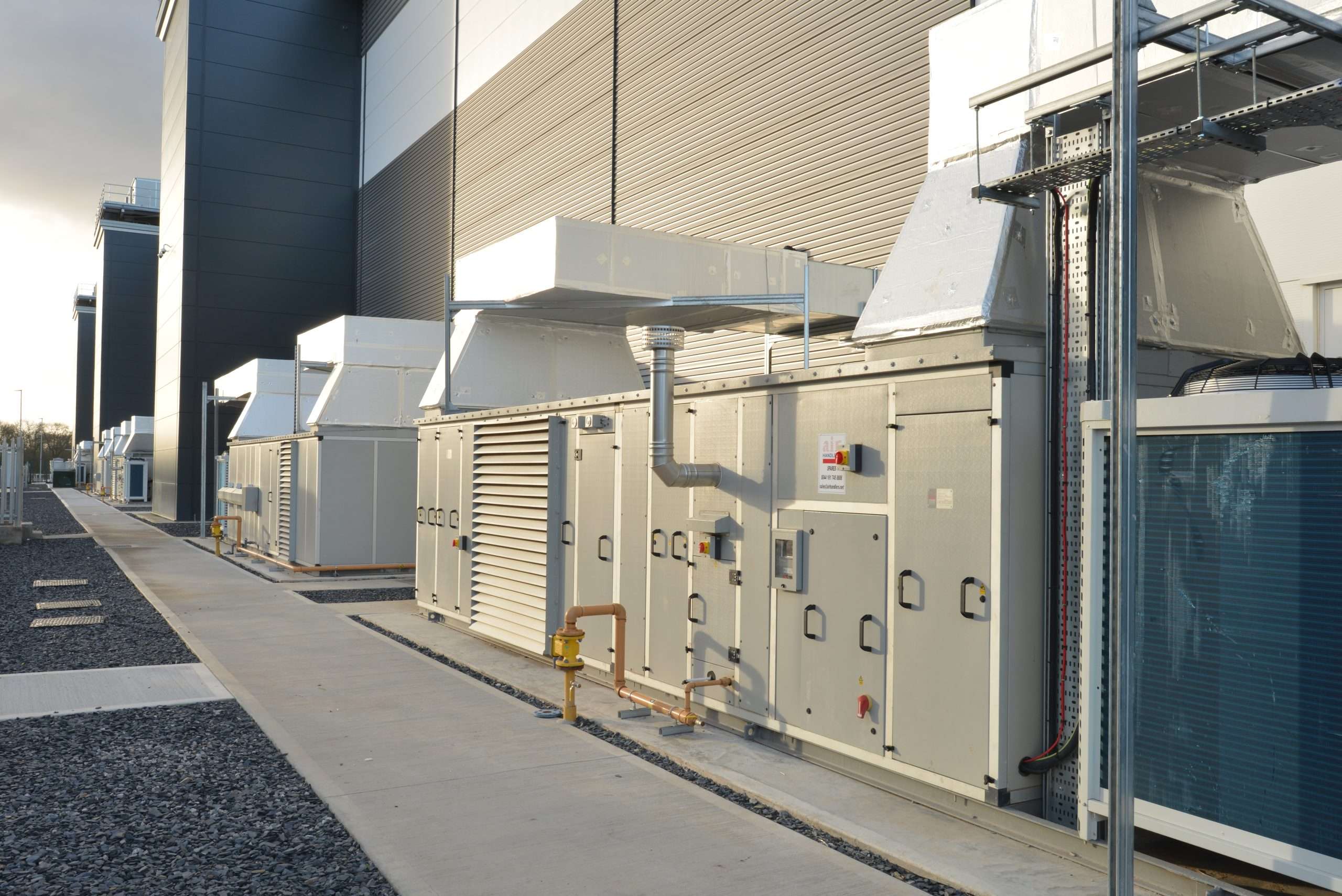
Modern buildings depend heavily on reliable and efficient HVAC (Heating, Ventilation, and Air Conditioning) systems to provide comfortable, healthy, and energy-efficient indoor environments. At the heart of these systems lies the Air Handling Unit (AHU), a central component responsible for distributing and conditioning air throughout the building. Understanding the role of AHUs is essential not only for designers and engineers but also for facility managers, contractors, and building owners who must ensure compliance with HVAC standards such as ASHRAE, CIBSE, Eurovent, and local building regulations. Companies such as Air Handlers Northern specialize in designing and supplying AHUs that meet these demanding requirements, offering tailored solutions for both new builds and retrofit projects.
What is an Air Handling Unit (AHU)?
An Air Handling Unit (AHU) is a mechanical device that manages and circulates air as part of a building’s HVAC system. Its primary function is to ensure that indoor air is comfortable in temperature and compliant with indoor air quality (IAQ) requirements.
At the most basic level, the AHU has two critical responsibilities:
- Air circulation – Moving air efficiently throughout the building requires carefully designed supply and return fans that can overcome both the internal static pressure within the AHU and the external static pressure of ductwork, diffusers, and terminal devices.
- Supplying tempered air – “Tempered” air refers to air adjusted to meet design setpoints, typically around 20°C in summer & winter. To achieve this, AHUs use a combination of components such as:
- Heat recovery units (thermal wheels, plate heat exchangers, or run-around coils) to improve energy performance. Do you want to see our range of products? Please check out our EvoHR units from Air Handlers Northern.
- Cooling coils (direct expansion / DX coils or chilled water coils). Explore our Air-ADAPT, Envirofresh, Air-PRO and Skid-Pak units, manufactured by Air Handlers Northern, for high-efficiency cooling solutions.
- Heating coils (electric, hot water, or DX). Our Air-Adapt and Envirofresh series from Air Handlers Northern provide robust heating performance across multiple applications.
These elements ensure that supply air meets both comfort and energy efficiency targets, as outlined in standards like ASHRAE 90.1, EN 16798, or CIBSE Guides.
Air Quality and Circulation
Comfort in buildings is not achieved by temperature alone—ventilation rate and indoor air quality (IAQ) are equally important. An effective AHU provides fresh outdoor air, filters contaminants, and manages air changes per hour (ACH) to align with design specifications and building codes.
Buildings typically operate with both supply and return ductwork:
- Supply ductwork distributes tempered, filtered air to occupied zones.
- Return ductwork extracts air that has absorbed heat, moisture, or pollutants.
This return air can be recirculated, mixed with outdoor air, or exhausted fully, depending on the ventilation strategy. Maintaining the correct balance of supply, return, and exhaust airflow is critical not only for comfort but also for occupant health, infection control, and compliance with standards such as ASHRAE 62.1 or EN 13779.
Key Components of an AHU
Although AHUs vary in size and application—from modular AHUs in commercial offices to custom-built AHUs in hospitals or industrial facilities—most units include the following components:
- Supply and return fans – Provide airflow to meet required air distribution performance.
- Heat recovery devices – Improve sustainability and reduce energy demand by transferring energy between exhaust and supply air streams.
- Heating and cooling coils – Adjust air temperature for seasonal demands, ensuring thermal comfort.
- Filters (G4, F7, HEPA, ISO ePM1) – Remove particulates and contaminants in line with ISO 16890 or EN 779 standards.
- Humidifiers and dehumidifiers – Manage relative humidity, critical for laboratories, data centers, and healthcare facilities.
Together, these components enable the AHU to act as the central air distribution hub—the “lungs” of the building.
The Importance of AHUs in Modern Buildings
The role of AHUs extends beyond comfort. They are vital for energy efficiency, sustainability, commissioning, and regulatory compliance. Features such as EC fans, variable-speed drives (VSDs), demand-controlled ventilation (DCV), and high-efficiency filtration allow AHUs to minimize operating costs while meeting BREEAM, LEED, and WELL Building Standard requirements.
In commercial buildings, hospitals, schools, and industrial environments, the AHU ensures stable conditions necessary for occupant productivity, infection control, equipment protection, and process reliability. Without properly designed, installed, and maintained AHUs, buildings would fail to meet both performance and compliance benchmarks. Companies like Air Handlers Northern continue to support clients across the region by delivering high-performance, energy-efficient AHU solutions tailored to modern building demands.